Follow the work, not the loudest moment
A shift may include a brief visit to a compressor room, repeated use of an impact tool and hours beside a production line. Exposure depends on the sound level, duration and pattern, including peaks. The loudest-sounding moment does not necessarily dominate the day’s exposure. Familiarity is not evidence that a machine is quiet enough, and an absence of discomfort does not demonstrate that hearing is protected.
A competent noise assessment should reflect the actual tasks, locations, operating conditions and people exposed. Include cleaners, contractors, maintenance staff and workers on adjacent stations. A phone application can prompt a concern, but it is not a substitute for suitable measurement equipment and an assessment method. Local laws set different requirements; a limit or action value from another jurisdiction must not be adopted without checking applicability.

Reduce sound at its source
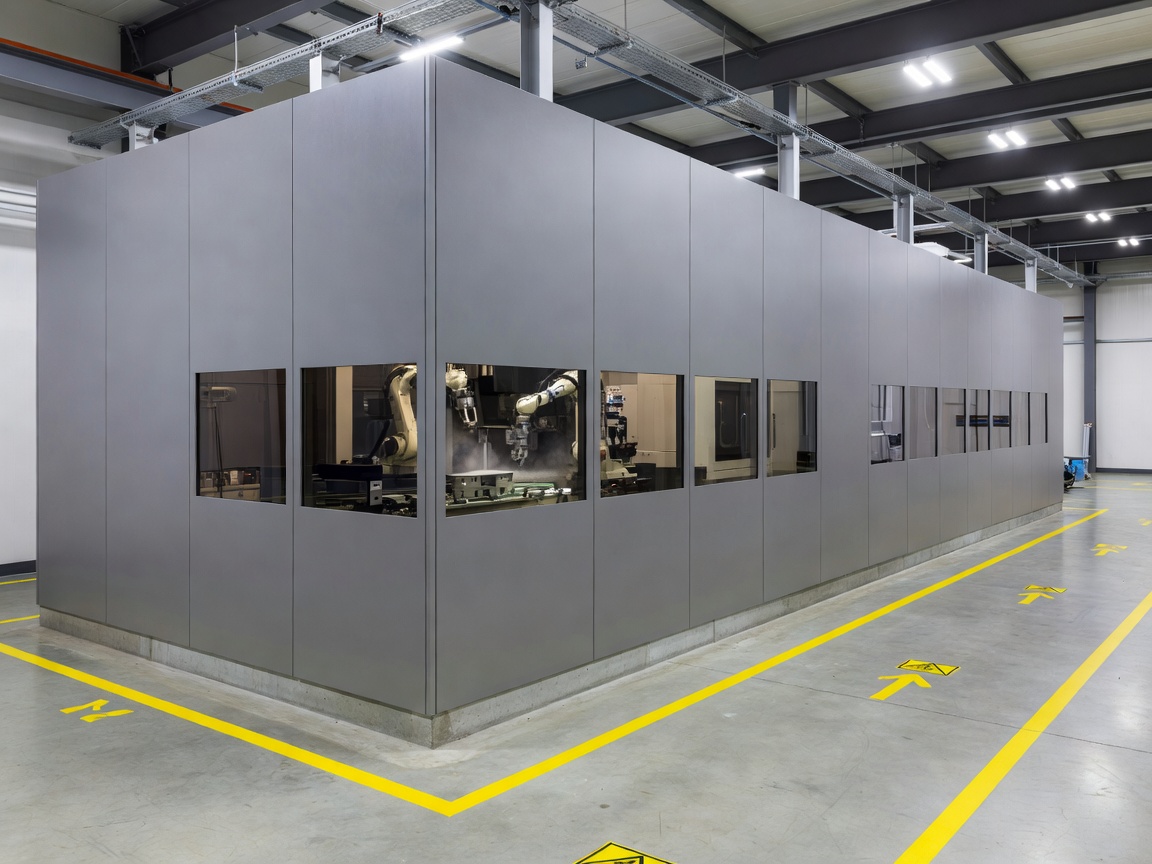
Before choosing hearing protection, consider quieter equipment, process changes, maintenance and engineered controls. Loose panels, worn bearings, uncontrolled compressed-air use and vibrating supports can create avoidable noise. Enclosures, damping and separation may help when properly designed. Do not remove acoustic panels to gain convenient access or assume an enclosure remains effective with its doors open.
Administrative arrangements can limit exposure but should not simply move the same uncontrolled hazard between people. Safe access arrangements, quieter routes and maintenance scheduling can support engineered measures. Hearing protectors address residual exposure and may also be needed while improvements are implemented. They do not remove the employer’s duty to assess and control noise under applicable law.
Choose usable attenuation
Earplugs and earmuffs are available in different sizes, designs and performance ranges. Their suitability depends on exposure, fit, working conditions and other equipment. Package ratings such as NRR or SNR come from specified test methods. They are not a guarantee of the reduction achieved by a particular worker, and ratings from different systems should not be casually compared or subtracted from a workplace reading.
Selection should provide adequate protection without creating unnecessary isolation. Excessive attenuation may make speech and warning signals harder to perceive, although the answer is not to remove protection in a hazardous area. Communication headsets and level-dependent products require appropriate assessment; ordinary music headphones and consumer noise-cancelling devices are not automatically hearing protectors. Where individual fit testing is available, it can help establish whether a worker achieves the intended attenuation.
Fit is part of the control
A trained person should demonstrate the manufacturer’s fitting procedure and check that the wearer can repeat it. Inserting a disposable plug incorrectly can sharply reduce its performance. Reusable plugs need suitable cleaning and inspection. Earmuff cushions must seal around the ear; spectacle arms, hair, head coverings and damaged cushions can interfere. Helmet-mounted protectors must be approved for that helmet and used in the correct working position.
Comfort affects whether protection stays in place. Heat, pressure, dirty hands and frequent movement between areas should be considered during selection. Removing a protector for brief conversations can materially reduce the protection achieved over an exposure period. Plan communication through assessed methods, agreed signals or a genuinely quieter location rather than relying on repeated removal.
Check the shift combination
| Situation | Potential problem | Assessment prompt |
|---|---|---|
| Earmuffs + spectacles | A gap at the cushion | Check fit with the actual eyewear |
| Earplugs + dirty handling work | Contaminated insertion | Provide suitable hygiene and fitting arrangements |
| Plugs + earmuffs | Assumed additive ratings | Use assessed combined protection; do not add ratings |
| Protection + alarms | Reduced signal perception | Verify the complete warning and communication system |
Notice change and report it
Inspect protectors for torn cushions, hardened seals, cracked cups, damaged bands and contaminated plugs. Replace parts only as the manufacturer permits. Keep spare protection accessible without treating spares as permission to use an unassessed type. Record any change in machinery noise, task duration or production layout so that the assessment can be reviewed.
Ringing ears, muffled hearing or difficulty following conversation should be reported through the appropriate workplace and healthcare routes. They are not a reliable early-warning system and should not be waited for before acting. Hearing surveillance, where required, complements noise control; it does not replace it. At handover, identify unresolved noise changes and the temporary arrangements authorised by the site.