Map the contact through the job
Handling can expose a worker to sharp edges, rough surfaces, hot parts, chemicals, wet floors and unstable loads. The same component may be cool at inspection but hot immediately after processing. A clean-looking part may carry oil or a chemical residue. Describe the whole sequence: collection, transfer, positioning, inspection, cleaning and disposal. Include the way a worker grips the item and where the feet and body must be positioned.
Remove avoidable contact before choosing PPE. Deburr edges where practicable, use suitable fixtures and handling aids, control contamination and keep routes clear. A glove does not make an unstable load safe to catch, and toe protection does not make it acceptable to stand beneath a suspended load. Manual handling assessment and traffic separation remain separate controls; protective clothing cannot compensate for their absence.
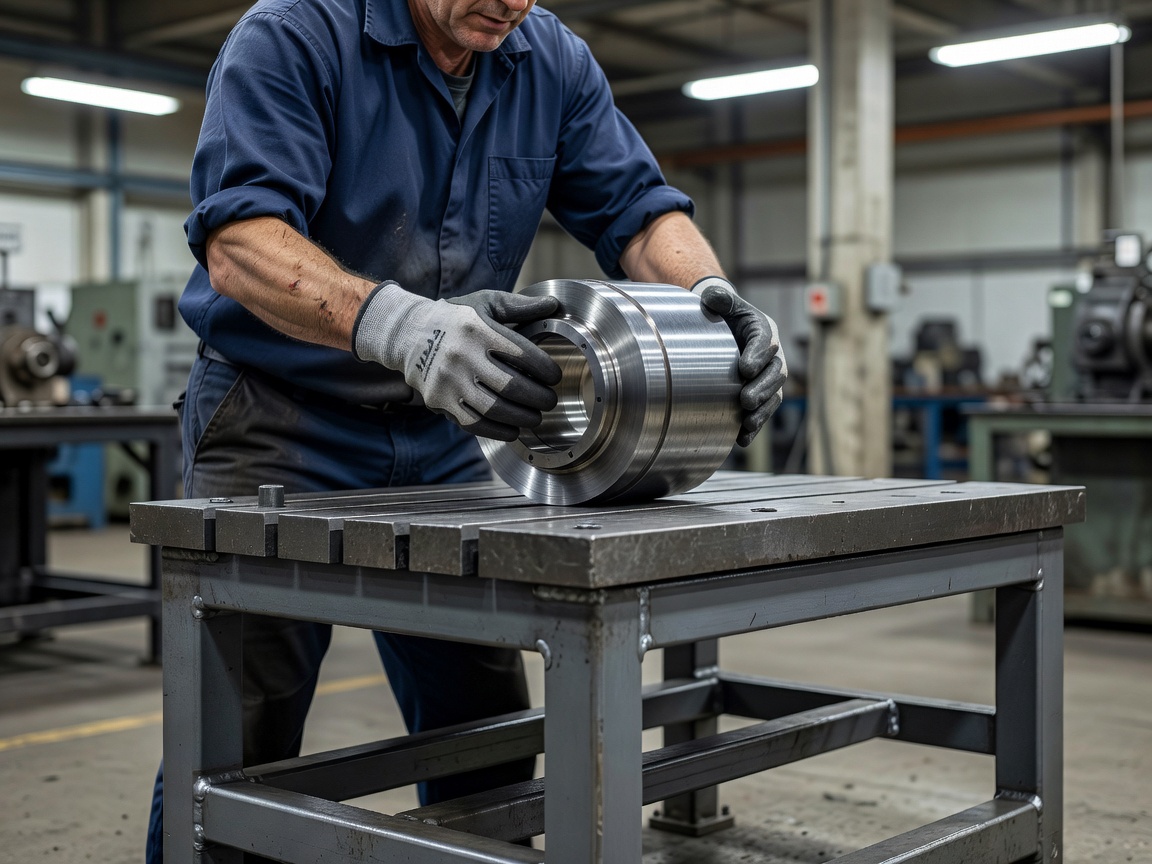
A glove is not a general shield
Cut, abrasion, puncture, chemical and thermal resistance describe different properties. A high rating in one category does not establish performance in another. EN 388 addresses mechanical risks for protective gloves, while the EN ISO 374 series addresses dangerous chemicals and microorganisms. EN 407 concerns thermal risks. The actual product marking, test method and manufacturer’s limitations must be interpreted for the task rather than reduced to a single “best” score.
Chemical selection needs information about the exact substance or mixture, concentration, temperature, contact pattern and duration. Permeation, penetration and degradation are different processes. Laboratory breakthrough data is not a universal safe wearing time. Use manufacturer chemical-resistance information with a competent assessment and a defined replacement arrangement. Never assume a material name such as nitrile makes every glove suitable for every solvent.
Keep entanglement separate from skin protection
Gloves, loose sleeves, jewellery and other items can be caught by moving machinery. A task that needs gloves for handling sharp stock may require a different controlled method at the machine. Do not solve this by reaching closer with a tighter glove or by removing PPE while leaving access to moving parts. The guarding, feeding arrangement, isolation and work instructions must address the hazard.
Follow the machine-specific assessment and procedures. If a job instruction appears to require both hand contact with a hazard and exposure to entanglement, pause and escalate the conflict. Only a competent review can establish the appropriate controls and equipment. This guide is not permission to operate machinery with or without gloves.
Match footwear and clothing to conditions
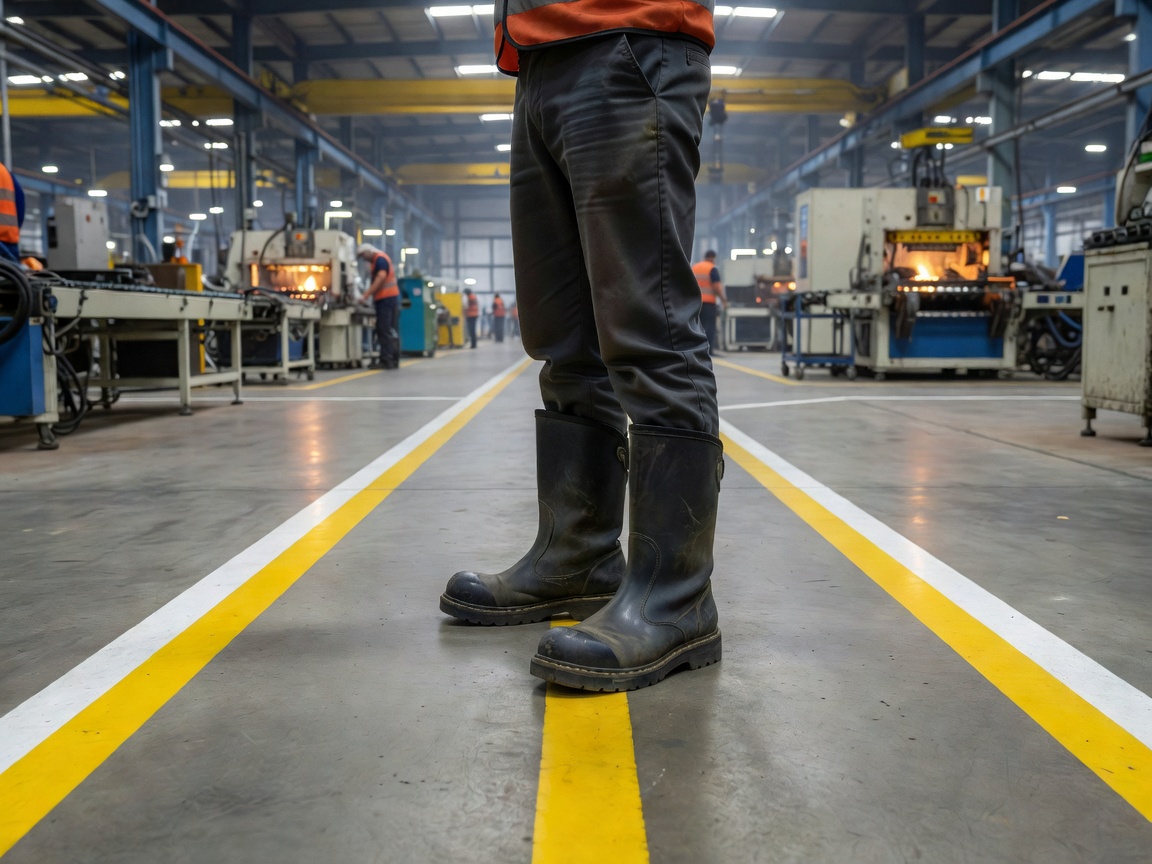
Safety footwear may provide toe protection, penetration resistance, slip performance or other specified properties, but not every model has every feature. EN ISO 20345 is a reference for safety footwear; its categories and additional markings need checking against the actual product and applicable edition. Slip performance is affected by the floor, contaminant, tread condition and work pattern. No footwear can make an uncontrolled spill harmless.
Fit, comfort and secure fastening affect stability during a long shift. Inspect soles, uppers, fastenings and exposed protective components, and follow replacement guidance. Protective clothing also needs task-specific selection. General workwear is not automatically chemical, flame, molten-metal or arc protective clothing. High-visibility clothing helps conspicuity in defined conditions but does not replace vehicle segregation, controlled routes or safe driving arrangements.
Check protection at the interfaces
| Interface | Possible failure | What to review |
|---|---|---|
| Glove + sleeve | Exposed skin or trapped contamination | Coverage and safe removal method |
| Glove + small controls | Reduced dexterity or unintended operation | Task design and assessed fit |
| Footwear + floor | Slipping on process contamination | Housekeeping, floor condition and suitable footwear |
| Clothing + moving parts | Loose material catches | Guarding, access and machine-specific instructions |
Check condition, then leave a clear handover
Look for tears, thinning, swelling, stiffness, contamination, failed seams and damaged closures as appropriate to the equipment. An item can lose protective performance before a large hole appears. Do not wash or reuse a disposable product unless its instructions expressly allow it. Reusable equipment needs a defined cleaning, storage and inspection arrangement that does not spread contamination to lockers, vehicles or the next wearer.
Removal matters as much as wearing. Follow the trained method for taking off contaminated gloves or clothing, and use the site’s hygiene and disposal arrangements. Report skin irritation or other concerns through the appropriate workplace and healthcare routes. Barrier creams are not a substitute for suitable exposure controls or gloves.
At handover, describe the task, material and observed change. “Gloves failed” is less useful than identifying the approved model, contact conditions, damage noticed and action taken. Record equipment withdrawn and any replacement awaiting approval. If the correct equipment or handling aid is unavailable, use the site escalation process rather than substituting an unassessed item or completing the lift by hand.